
Years ago a lot of us kept packs of AA, C, D, and maybe even 9-Volt batteries stowed away in case a flashlight, TV remote, or smoke detector stopped working. We likely had some nickel cadmium (Ni-Cd) battery powered tools in the garage. And, what driver hasn’t had to jump start a dying lead-acid battery in their car. Nowadays it seems like every gadget we buy is equipped with an embedded or built in battery.

Today batteries can be found in 60% of the toys we buy for our kids and power 20% of the new vehicles we purchase (hybrids and full EVs). According to American Clean Power, just last year (2025) 18.9 GW of utility, commercial, and residential battery energy storage systems (BESS) were installed in the U.S. That’s enough power to send Marty McFly back to 1985 15 times over (in case you don’t remember, the DeLorean required 1.21 GW).
The amount of batteries we use isn’t the only thing changing. While lead-acid and trusty old alkaline batteries are still widely used, data from the IMARC Group shows that 60% of the rechargeable batteries we use in our daily lives are now lithium based.
Lithium batteries fall into two different categories, single-use lithium metal or rechargeable lithium-ion. The single-use batteries are typically the coin batteries we find in watches and medical devices. Lithium metal batteries can also look a lot like standard alkaline batteries. Lithium-ion batteries come in a variety of chemistries that allow them to be fast charging, have a high energy density, or both.
The compounds t hat allow lithium batteries to be more effective in powering our devices and tools are also what makes them more dangerous. According to the U.S. Fire Administration lithium batteries can leak flammable gasses and potentially catch fire if damaged. If multiple batteries are in close proximity to each other, and one catches fire, a chain reaction known as thermal runaway can occur. In addition, while other battery types may not be as big of a fire hazard as lithium batteries they do pose a risk of chemical burn if damaged.
So what are businesses and even households supposed to do about batteries when they are no longer useful. First and foremost, do not throw batteries in the trash. This is not only unsafe and harmful to the environment but it also may be illegal depending upon where you live. According to the U.S. EPA batteries can be easily damaged in a landfill and catch fire allowing their chemical constituents to easily leach into the environment.
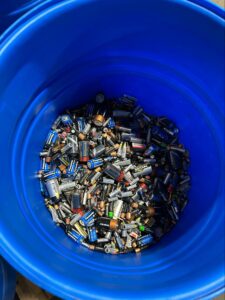
Recycling used or end-of-life batteries is always the best approach. Businesses can easily find a responsible recycling partner like C&I Electronics to periodically collect and recycle their used batteries. Residents, in a similar manner, can recycle batteries through their local municipal solid waste district.
Before you recycle batteries there are some additional steps that need to be taken. Batteries should always be sorted by type (alkaline, Ni-Cd, lithium metal, lithium-ion, etc.). Mixing different battery chemistries can lead to voltage imbalances where stronger batteries can attempt to charge weaker batteries. This uncontrolled battery discharge can lead to overheating, damage to the battery cell, and eventually fire.
Lead-acid, Ni-Cd, and lithium batteries should always have their leads covered to prevent them from coming into contact with other batteries and short-circuiting. Small batteries can be placed in resealable plastic bags while larger batteries can be protected with electrical or packing tape.
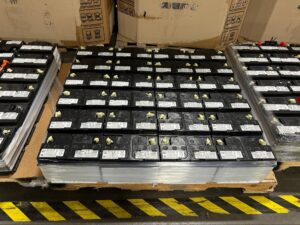
When storing batteries it is good practice to situate larger batteries on pallets. This helps prevent them from getting wet or damaged and makes them easier to move when the time comes to recycle them. Small batteries can be placed in a container such as a plastic bucket or barrel that will protect them from damage. If you manage batteries for a business don’t forget to label your accumulation of batteries as they are considered universal waste.
What about all those batteries in your devices? The best thing you can do is leave them where they are. Removing batteries from equipment such as laptops, tablets, phones, and other devices is best left to experienced recyclers like C&I Electronics. These batteries can be difficult to remove and damaging them can expose you to toxic chemicals and even fire.
What to do with damaged or leaking batteries? Well, first it depends on the type of battery. Leaking electrolyte fluid from lead-acid batteries can be neutralized with a mild caustic material like baking soda and absorbed or dried up with an inert material like floor dry. The dried material can then be collected and placed in a non-reactive container. Be sure to wear appropriate personal protective equipment (PPE) like gloves, face and eye protection, and even a chemical resistant apron when cleaning up spills.
Lithium batterie s show damage in a couple of different ways. Lithium-ion batteries tend to look swollen when they are damaged internally. The external battery case will be puffed out and look misshapen. While this isn’t a good situation, it is much better than if the case is fractured or internal cells are exposed. Swollen lithium batteries are still recyclable. They should be kept separate from other batteries and protected from any further damage. It’s a good idea to surround the damaged battery with specialized fire retardant material made for lithium batteries. Be sure to notify your recycler if you have a damaged or swollen lithium battery before it is collected.
If the interior cells of the battery are exposed and damaged, this is an altogether different situation. Due to the hazards associated with exposed lithium, batteries damaged to this extent are typically considered hazardous waste and not handled through normal recycling channels. These batteries should definitely be surrounded by fire retardant media and stored in a well ventilated area.
While the increasing use of batteries makes technology more convenient in our everyday lives it is not without tradeoffs. As batteries become more ubiquitous and more complex in their makeup, proper end-of-life management becomes increasingly more important. If you are unsure about how to properly recycle batteries, reach out to your local solid waste district or state environmental management agency, and you can always contact C&I Electronics.
Really insightful. I should think about recycling all the old batteries in my junk drawer…